
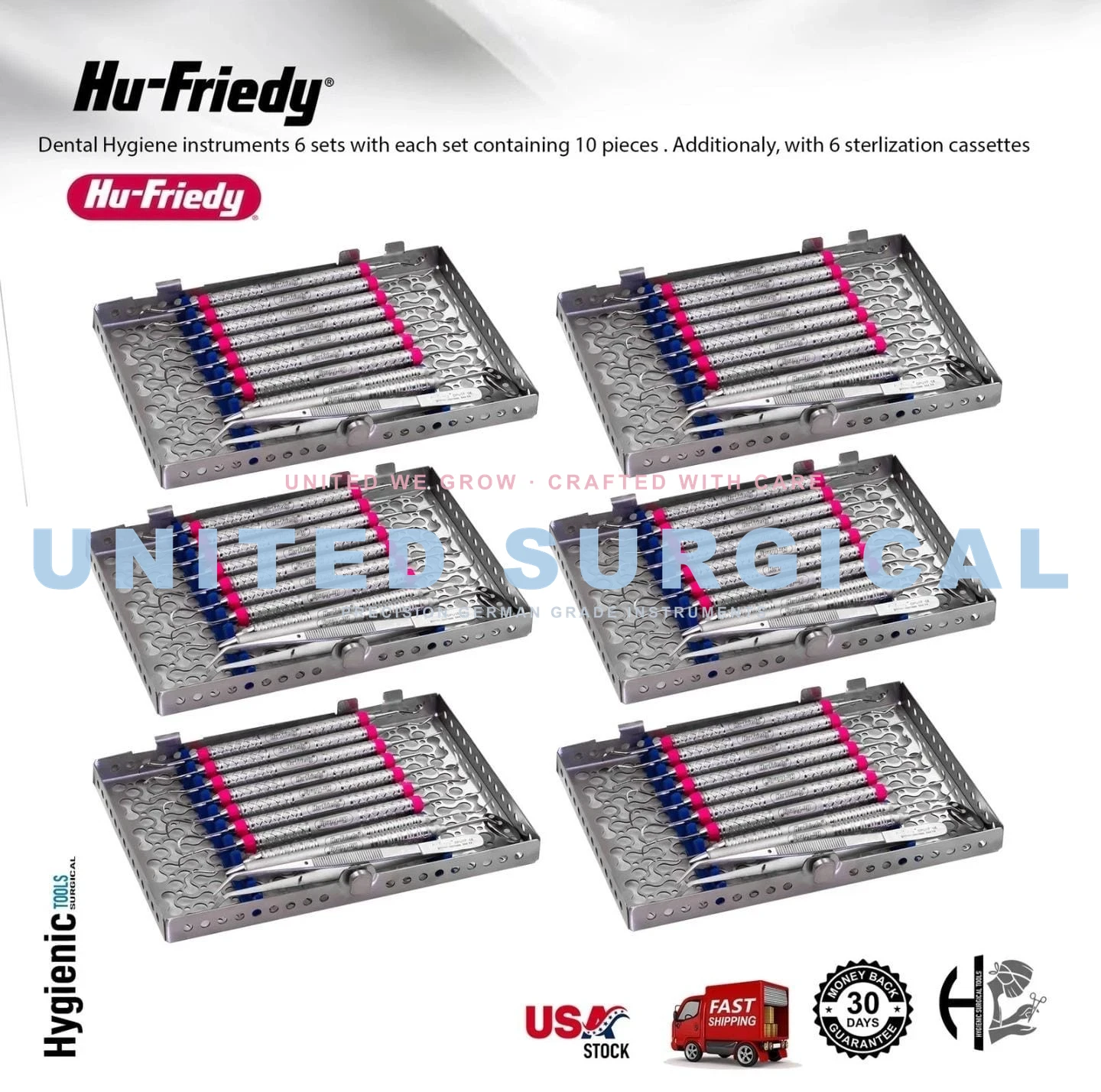

Catalogue reference: US-69693
The Minimally Invasive Carving Instrument is designed for controlled sculpting and contouring of restorative materials during conservative dental procedures. Its precision working profile supports detailed anatomical refinement while helping clinicians preserve surrounding tooth structure.
Prefer Wise or bank transfer? Choose it at checkout.


The Minimally Invasive Carving Instrument is a precision dental restorative hand instrument designed for controlled carving, sculpting, and contouring of restorative materials during minimally invasive and conservative dentistry procedures. Its specialized working profile allows dental professionals to make localized adjustments to composite and other suitable restorative materials while maintaining precise control over the treatment area. Minimally invasive dentistry emphasizes preservation of healthy tooth structure and conservative preparation whenever clinically appropriate. This approach often requires instruments capable of performing detailed restorative manipulation without unnecessary contact with adjacent anatomy. The Minimally Invasive Carving Instrument is designed to complement these techniques by providing a focused working end for precise restorative contouring. The instrument can be used during appropriate direct restorative procedures to refine composite anatomy after placement. It may assist with removing excess material, defining anatomical transitions, shaping occlusal or proximal contours, and refining restoration surfaces before final polymerization or finishing. The exact application depends on the working-end design and the restorative material being used. A precision carving instrument is particularly useful when small adjustments are needed. Rather than relying on broad movements, the clinician can guide the working tip with controlled finger pressure to make localized modifications. This can help establish appropriate restorative anatomy while minimizing unnecessary manipulation of surrounding tooth structure. The Minimally Invasive Carving Instrument may be incorporated into restorative dentistry, operative dentistry, cosmetic dentistry, and conservative treatment setups. It can complement composite placement instruments, condensers, contact-forming instruments, matrix systems, finishing instruments, and polishing tools. Its working profile is intended to provide tactile feedback during manual manipulation. This allows clinicians to feel changes in resistance as the instrument moves through restorative material. Tactile control can be useful when refining small anatomical features or removing excess composite around margins and proximal areas. The handle is designed for secure and controlled manipulation. Proper finger positioning helps the clinician guide the working end accurately while regulating pressure. Fine control is particularly important in minimally invasive restorative procedures, where precise material removal and contour development are required. Professional dental carving instruments are generally manufactured from durable, corrosion-resistant materials suitable for repeated clinical use. The exact alloy, finish, dimensions, and working-end geometry may vary according to the manufacturer and specific model. Product-specific technical information should be confirmed against the applicable manufacturer’s specifications. The working end should be protected from excessive force and impact. A carving instrument should not be used as an elevator, wedge, or lever. Regular inspection can help identify deformation, corrosion, scratches, or other damage that could reduce precision during clinical use. After treatment, restorative material should be removed promptly from the instrument. Composite that is allowed to polymerize on the working end can become difficult to remove and may interfere with the instrument’s intended performance. Cleaning should follow validated manufacturer instructions and applicable dental infection-control procedures. After cleaning, the Minimally Invasive Carving Instrument should be thoroughly rinsed and dried as appropriate, inspected for residual material and damage, and sterilized using a validated method compatible with the instrument. Proper sterilization and storage help maintain instrument hygiene and performance. The working tip should be protected during storage to prevent contact with other metal instruments. Careful handling can help maintain the original geometry required for precise restorative carving. The Minimally Invasive Carving Instrument provides restorative clinicians with a specialized solution for detailed anatomical refinement. Its precision-focused design supports conservative restorative workflows and controlled manipulation of restorative materials. For dental professionals seeking a dedicated minimally invasive dental carving instrument , this tool can complement modern restorative instrument collections by supporting precise composite sculpting, localized contouring, and conservative anatomical refinement. Key Features Minimally Invasive Carving Instrument Designed for precision restorative carving Supports conservative dental treatment workflows Facilitates composite sculpting and contouring Useful for localized removal of excess restorative material Supports anatomical refinement of direct restorations Precision working profile for controlled manipulation Provides tactile feedback during restorative procedures Suitable for restorative and operative dentistry Ergonomic handle supports precise finger control Durable professional dental instrument construction Reusable when processed according to validated instructions Product Specifications Specification Details Product Name Minimally Invasive Carving Instrument Instrument Type Dental Restorative Carver Primary Function Carving and Contouring Secondary Functions Sculpting and Excess Material Removal Design Minimally Invasive / Precision Primary Application Restorative Dentistry Secondary Applications Operative and Cosmetic Dentistry Clinical Use Direct Restorative Procedures Working Profile Precision Carving Suitable Materials Appropriate Restorative Materials Handle Ergonomic Dental Hand Instrument Construction Professional Dental Instrument Material Reusable Yes, when processed according to validated instructions Sterilization According to applicable manufacturer instructions Intended Users Dental Professionals FAQs 1. What is a Minimally Invasive Carving Instrument used for? It is designed for controlled carving, sculpting, and contouring of restorative materials during conservative and minimally invasive dental procedures. 2. Can this instrument be used for composite restorations? Yes. It can assist with appropriate composite sculpting, contour refinement, and removal of excess restorative material. 3. What makes a carving instrument minimally invasive? Its precision-oriented working profile allows localized restorative adjustments while supporting controlled manipulation around the treatment area. 4. Is it suitable for anterior and posterior restorations? Depending on the specific working-end design, it may be used for appropriate anterior or posterior restorative procedures requiring detailed carving and contouring. 5. Can it remove excess composite? Yes. It can assist with controlled removal of excess uncured restorative material during appropriate clinical procedures. 6. Does the instrument support anatomical sculpting? Yes. The working end is designed to assist with developing and refining appropriate restorative contours and anatomical features. 7. How should the instrument be cleaned? Remove restorative material promptly, then clean, rinse as appropriate, dry, inspect, and sterilize according to validated manufacturer instructions. 8. How should the carving tip be maintained? Avoid excessive force, prying, and impact with hard surfaces. Remove composite before polymerization and store the instrument so the precision working end remains protected.
| Instrument name | Minimally Invasive Carving Instrument |
|---|---|
| Catalogue reference | US-69693 |
| Category | Dental Instruments |
Worldwide Hospital Handling: Orders are hand-calibrated, ultrasonically passivated to ASTM A967 standards, and dispatched within 24–48 hours directly from our own manufacturing facility. Priority air express delivery via DHL and FedEx includes complete Certificate of Conformity and material mill test documentation.
Autoclave Guarantee: 100% steam autoclave validated (134°C / 273°F). If any instrument exhibits pitting, jaw misalignment, or micro-structural defect, it is replaced unconditionally under our 30-Day Hospital Return & Exchange Guarantee.
Worldwide shipping is $50 USD per order below $500 USD, and free on orders of $500 USD or more. The final shipping charge is shown at checkout. Returns are accepted within 30 days of delivery for unused instruments in their original packaging.

Direct wholesale export quotes delivered to your email within 24 hours.