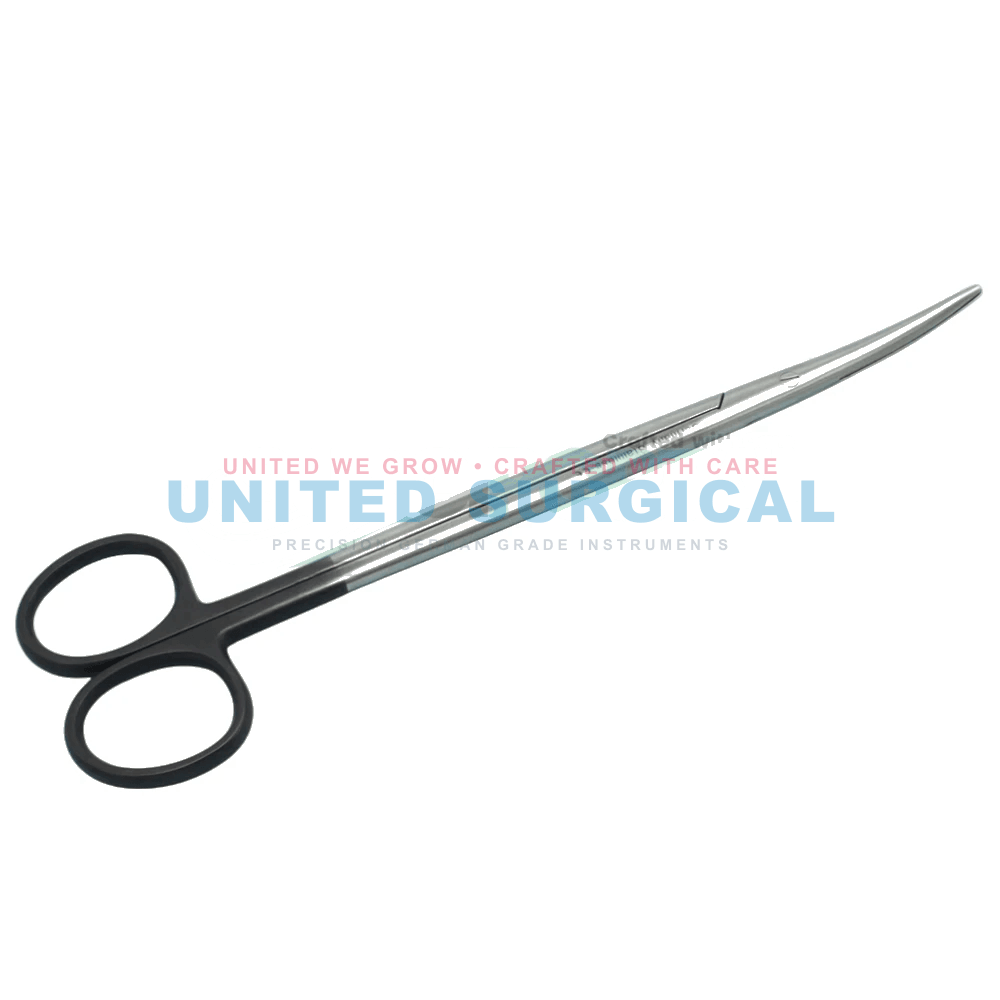
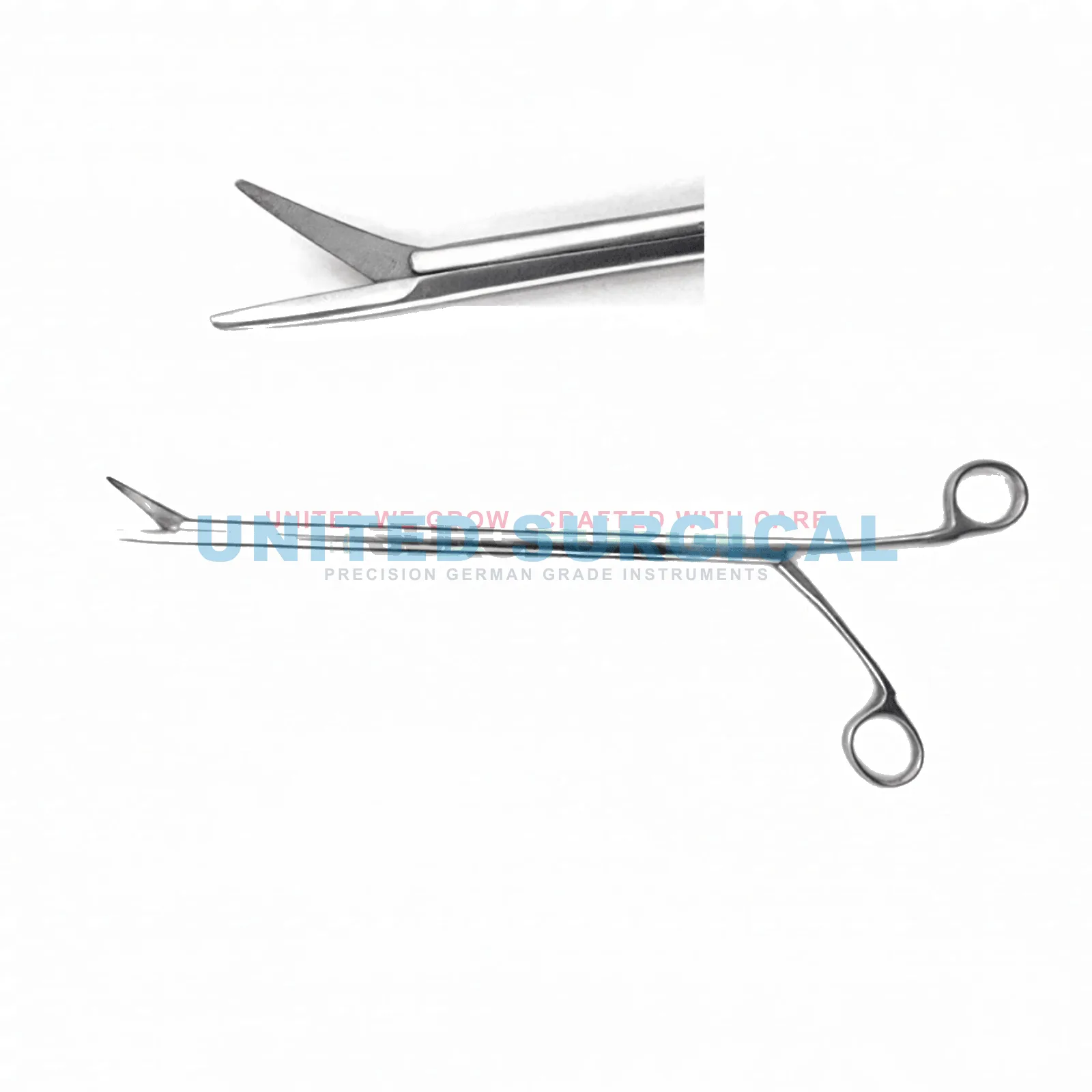
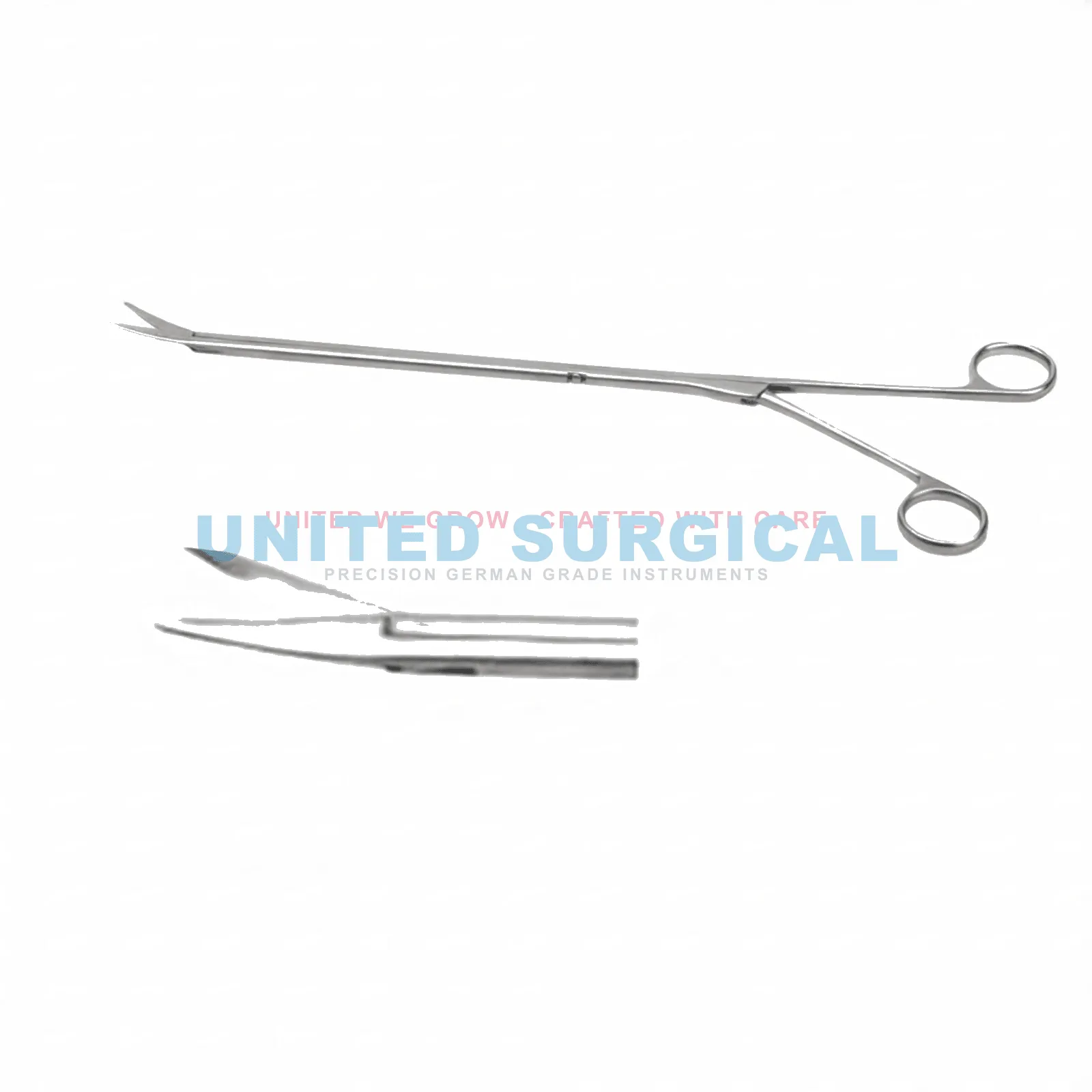
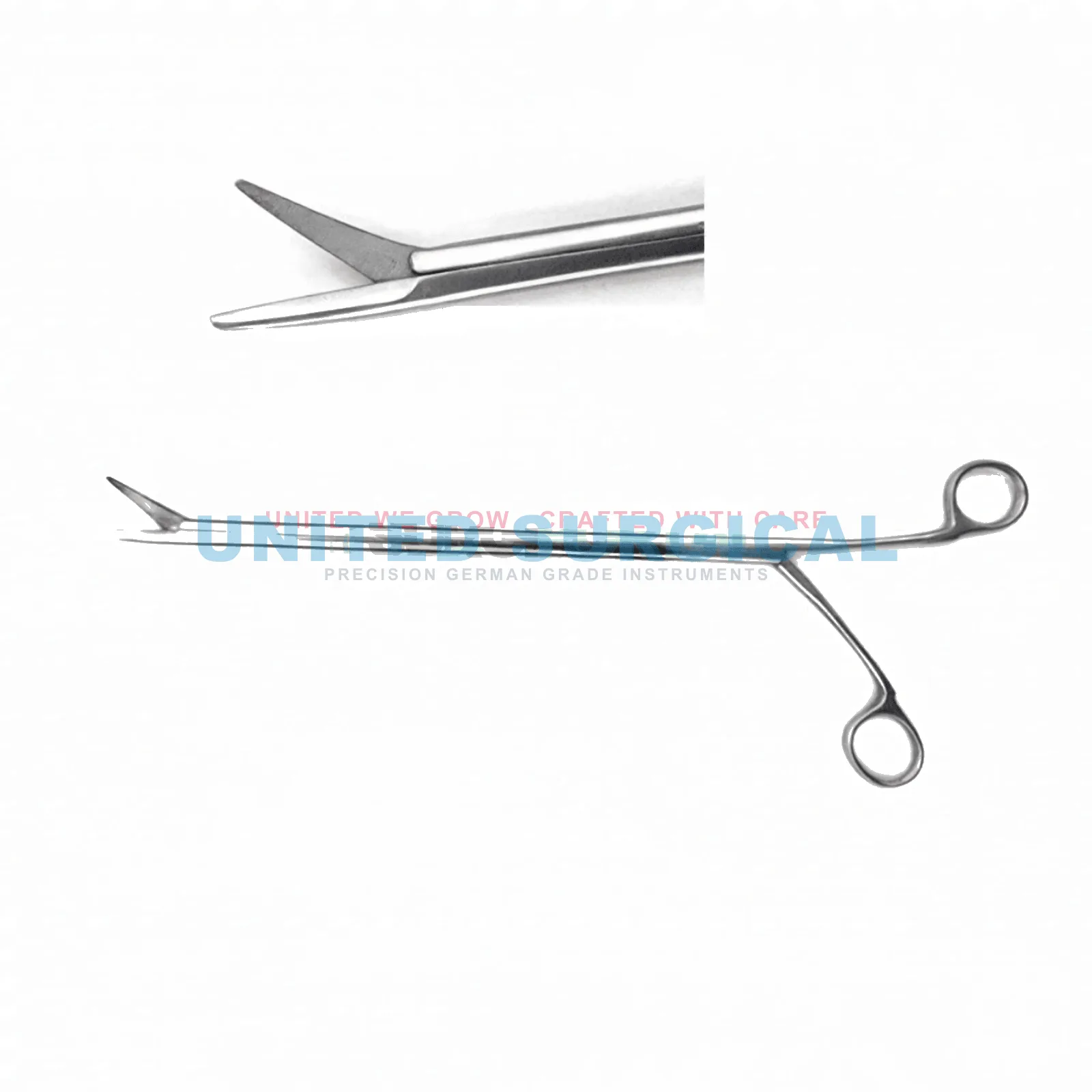
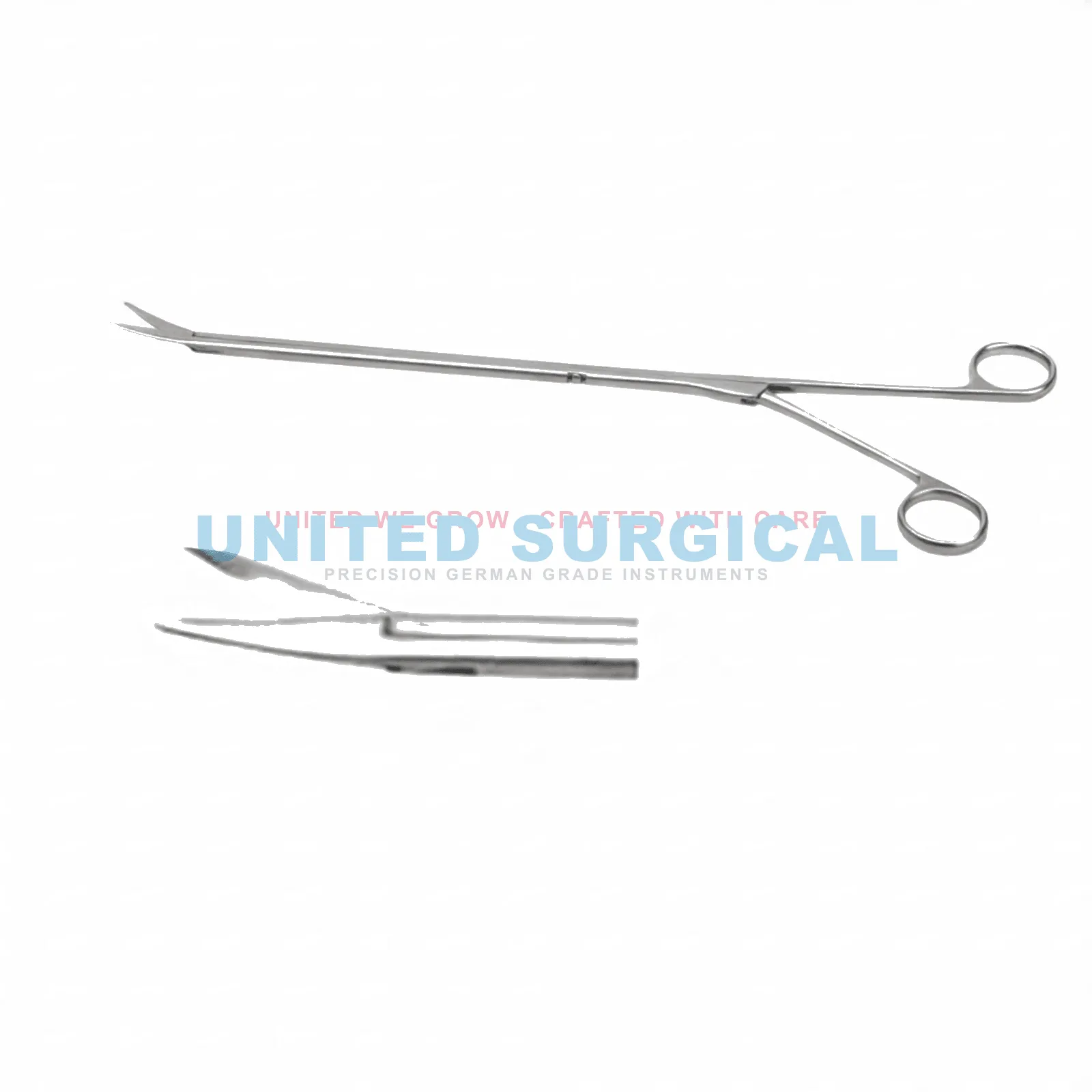
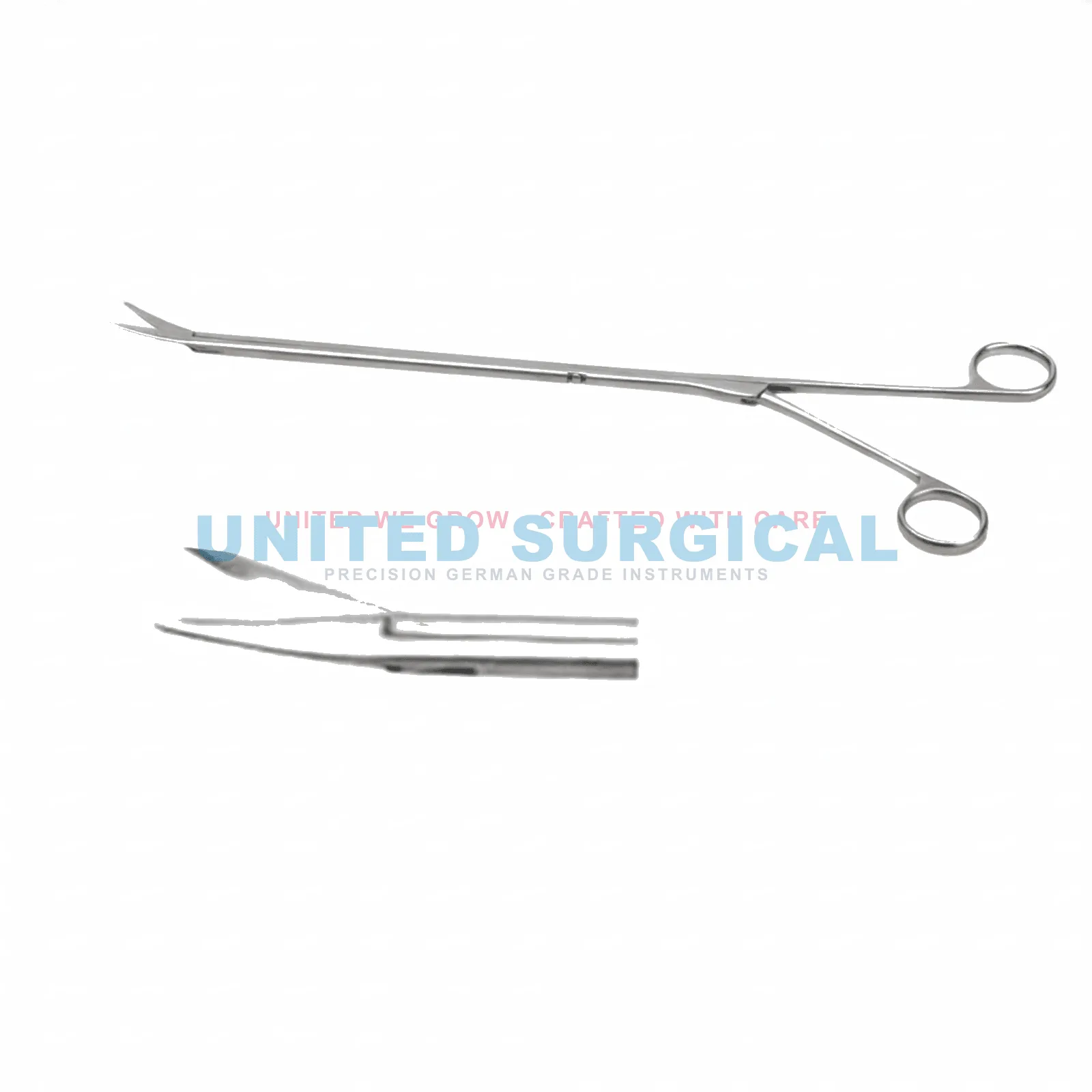
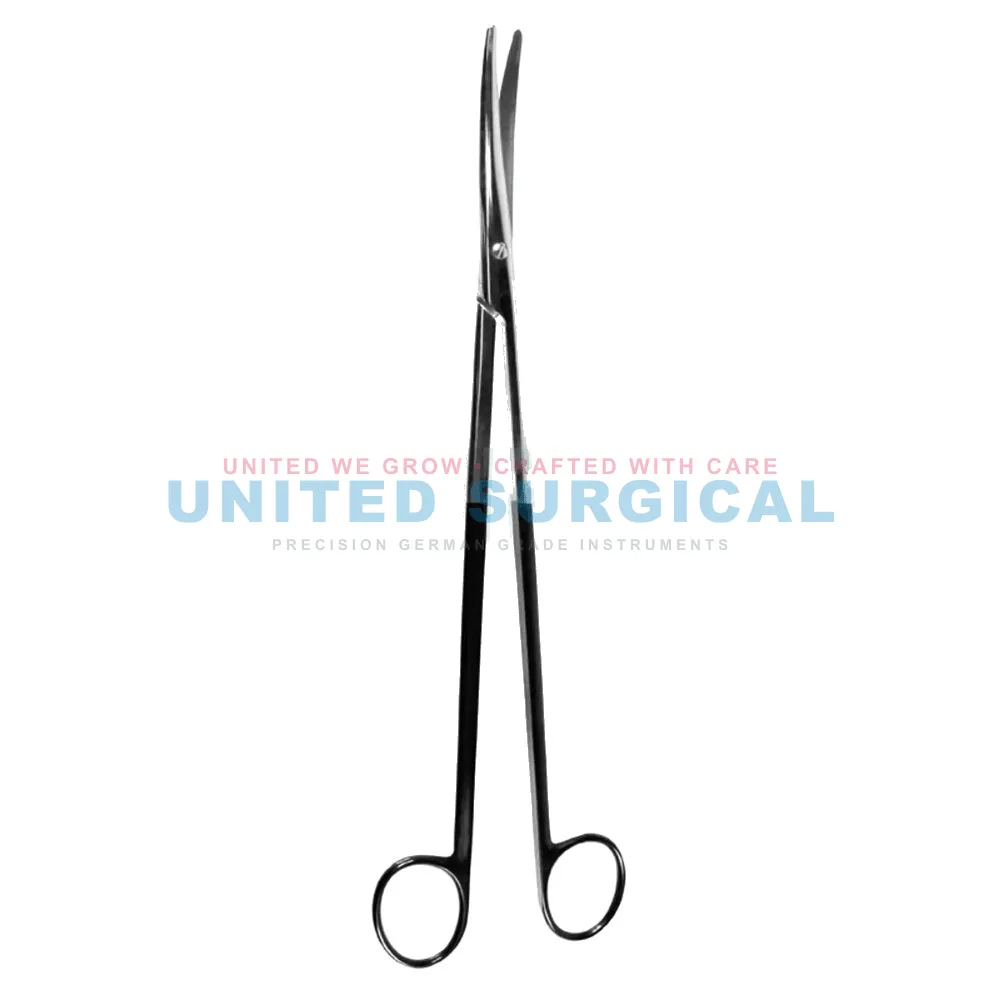
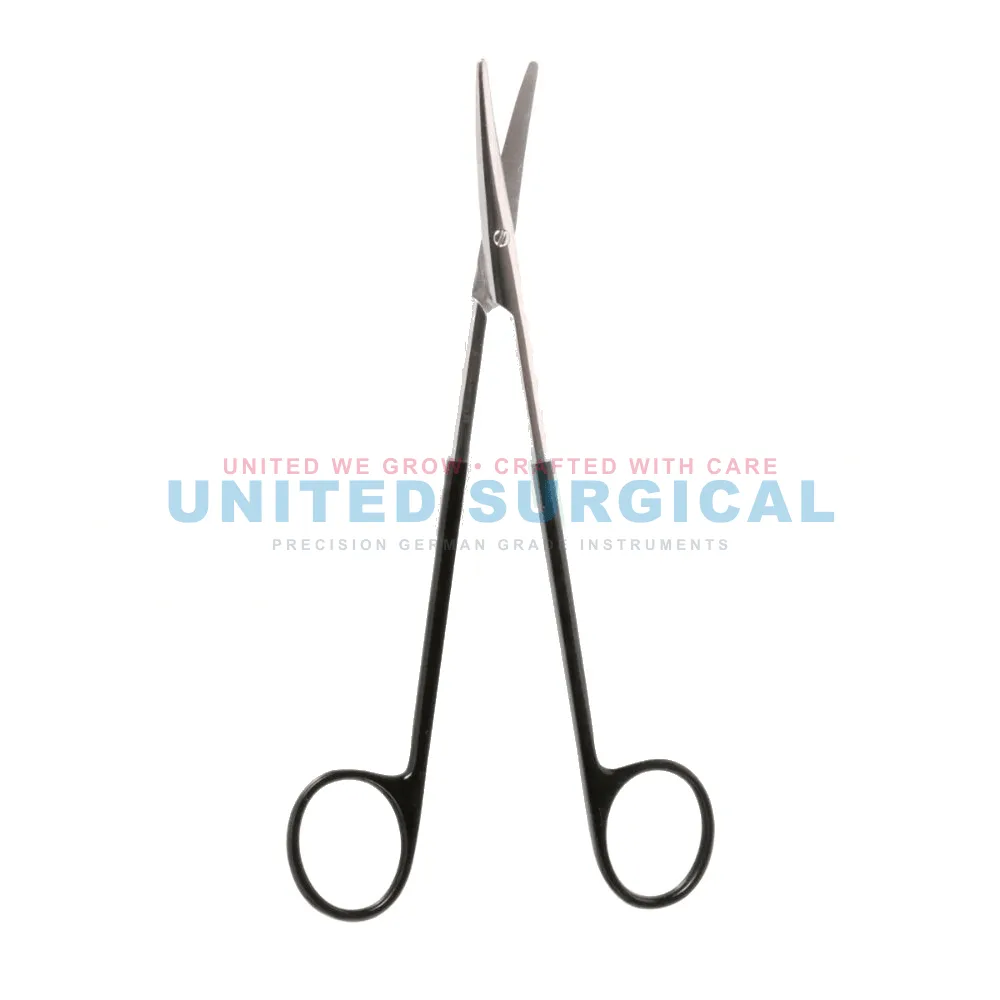
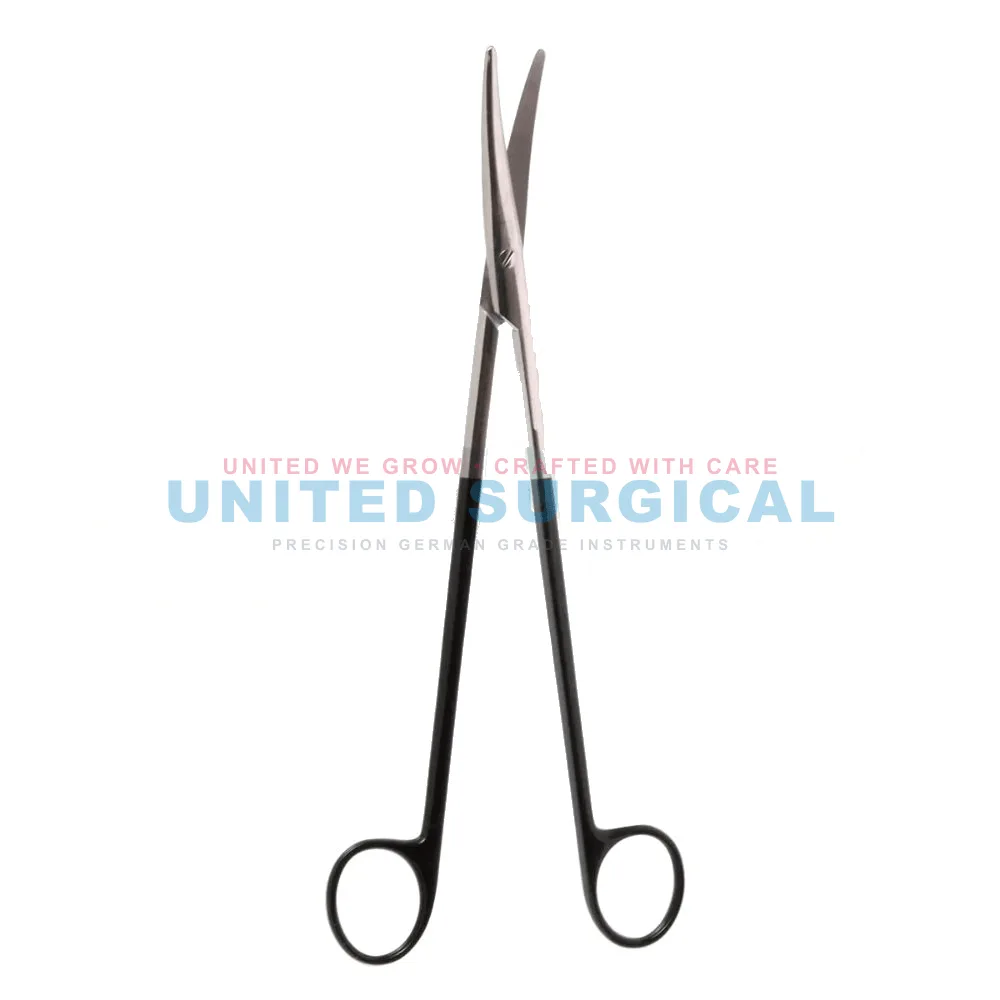
Metzenbaum scissors are made for tissue, not sutures. Using them on sutures or dense material dulls the fine blades, so keep Mayo scissors on the tray for that. When choosing, look at:
Most general surgery sets include at least one short and one long pair of curved Metzenbaum scissors.
| Length | Approx. cm | Typical use |
|---|---|---|
| 5″ – 5½″ | 13 – 14 cm | Superficial and plastic surgery, paediatric |
| 7″ | 18 cm | General surgery, most common size |
| 8″ – 9″ | 20 – 23 cm | Abdominal and gynaecological surgery |
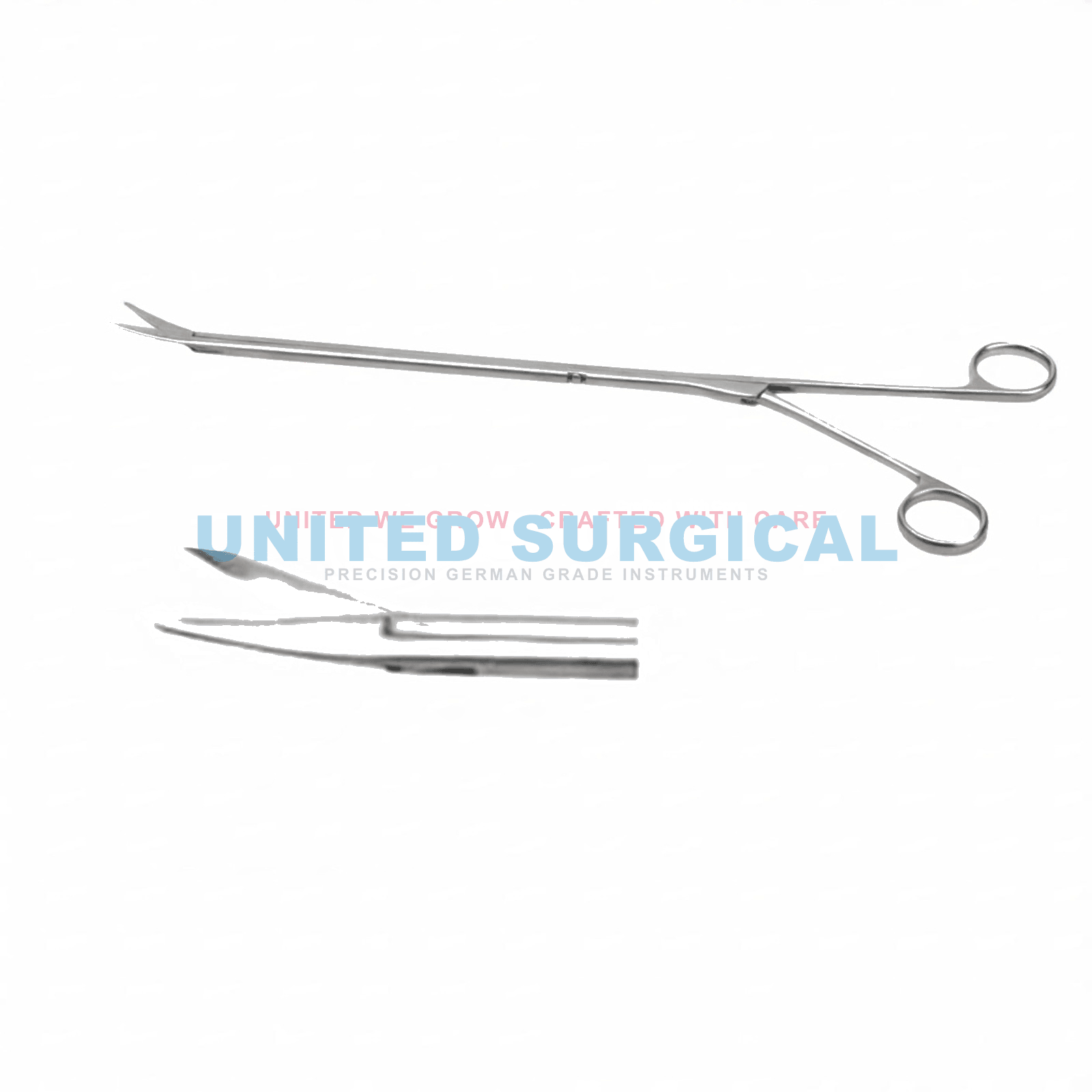
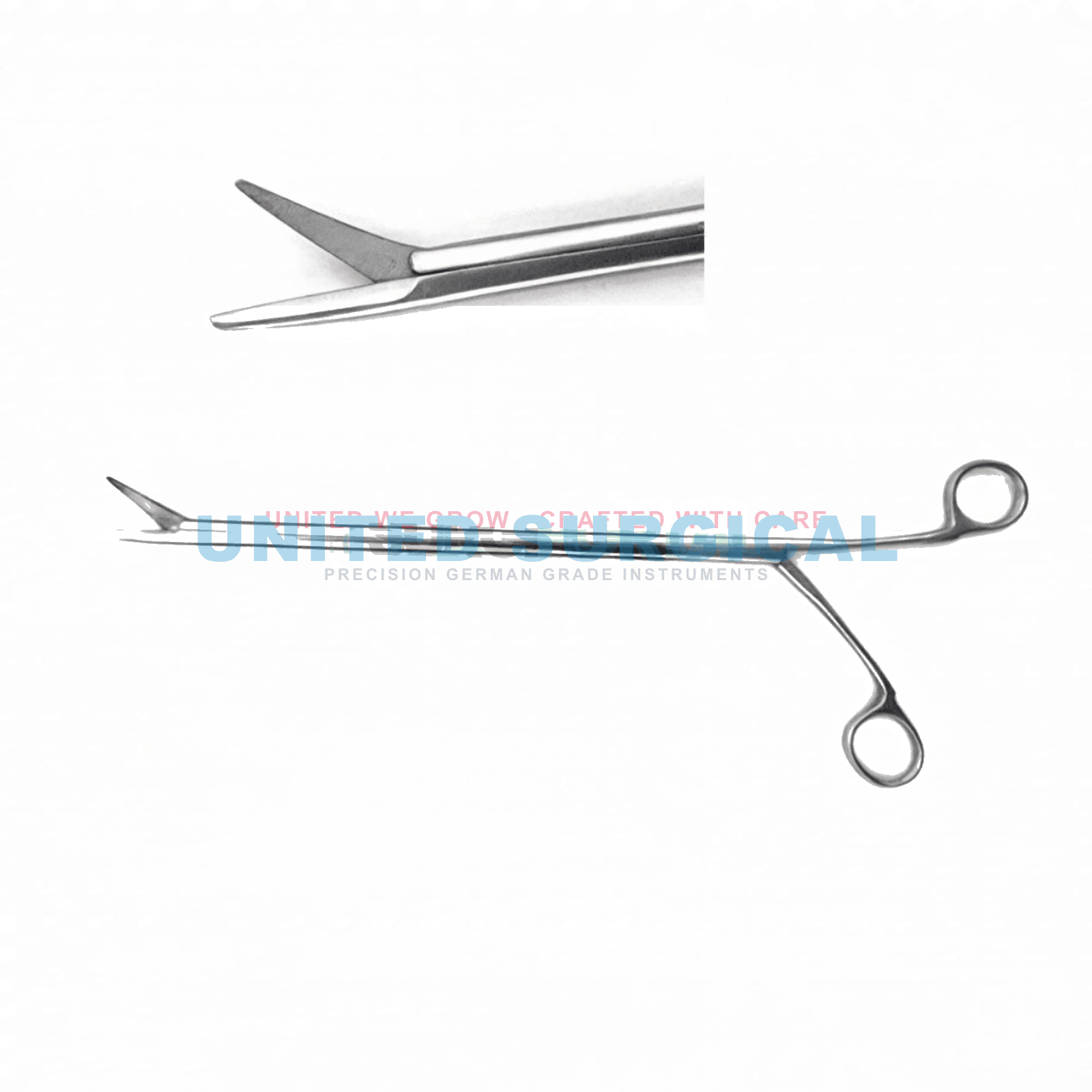
| 11″ – 12″ | 28 – 30 cm | Deep abdominal, pelvic and thoracic surgery |
| 14″ | 36 cm | Very deep cavities, bariatric surgery |
Typical selections. Choose by the depth of the surgical field.
They are used to cut and spread delicate soft tissue during dissection, in general, abdominal, gynaecological, thoracic and plastic surgery.
Metzenbaum scissors have longer handles and shorter, thinner blades for delicate tissue. Mayo scissors are heavier and are used for tougher tissue and cutting sutures.
Curved scissors are the most common for dissection because they follow tissue planes and keep the cutting tips visible. Straight scissors suit superficial, straight cuts.
SuperCut scissors have one blade with a fine serrated razor edge. It grips tissue and cuts cleanly with less slipping. They are usually identified by black handles.
Tungsten carbide inserts are harder than standard steel, so the edge stays sharp for longer and can be resharpened. They cost more but often last longer in busy theatres.
It is not recommended. Cutting sutures dulls and misaligns the fine blades. Use suture or Mayo scissors instead.
Custom dimensions, ceramic coatings, hospital tender contracts, and sterilization tray sets manufactured to ASTM F899 standards.
Direct wholesale export quotes delivered to your email within 24 hours.