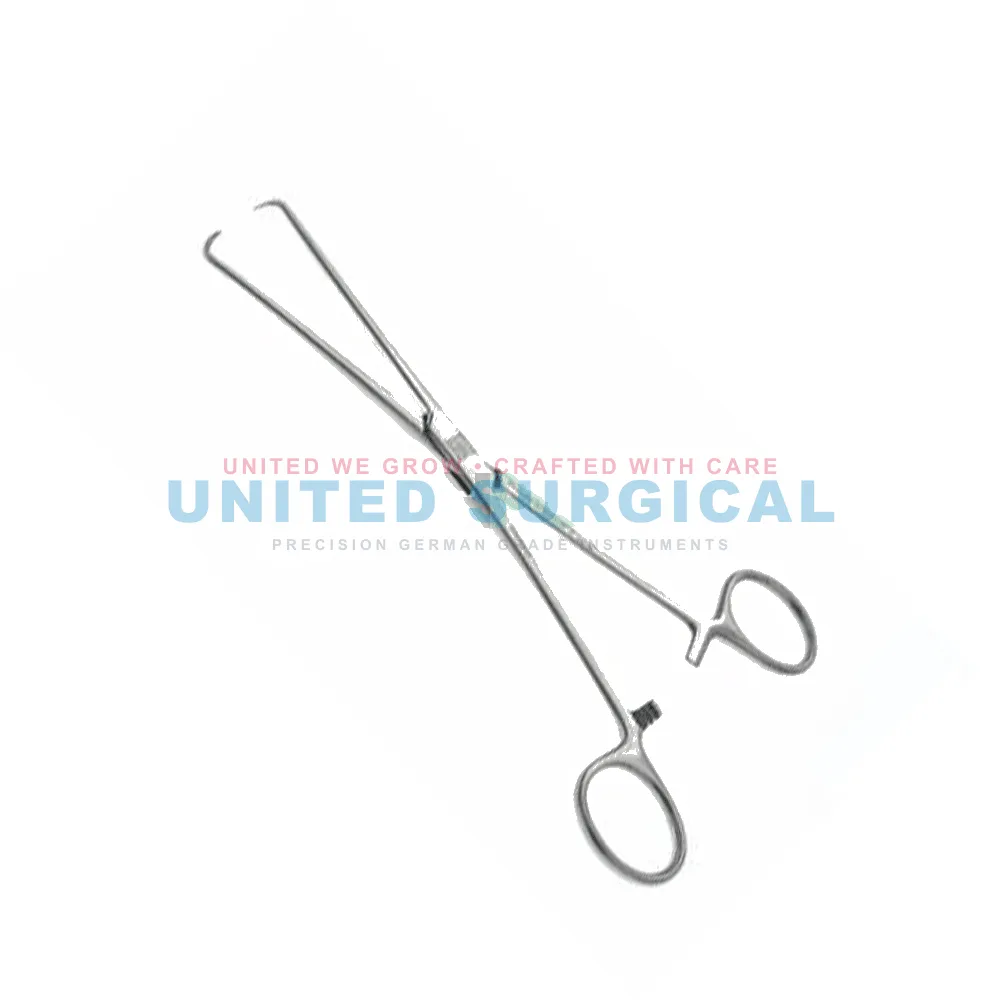
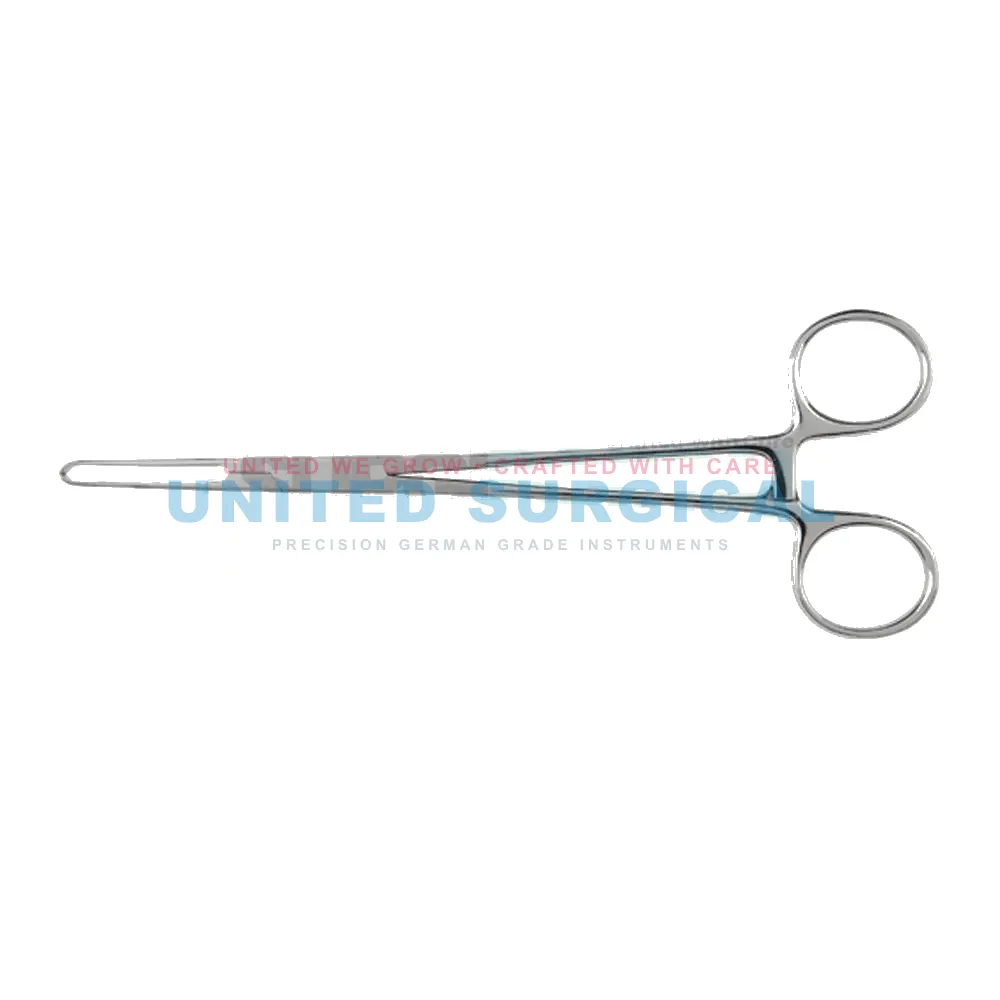
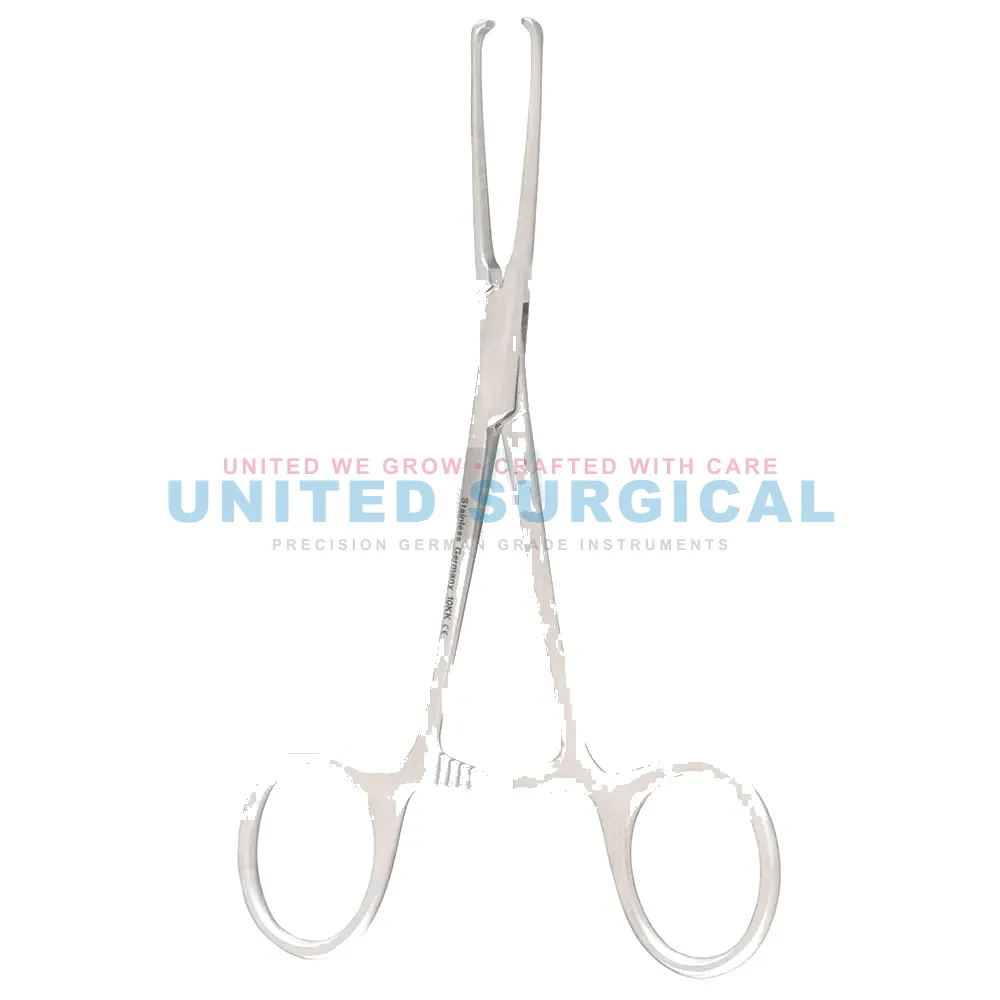
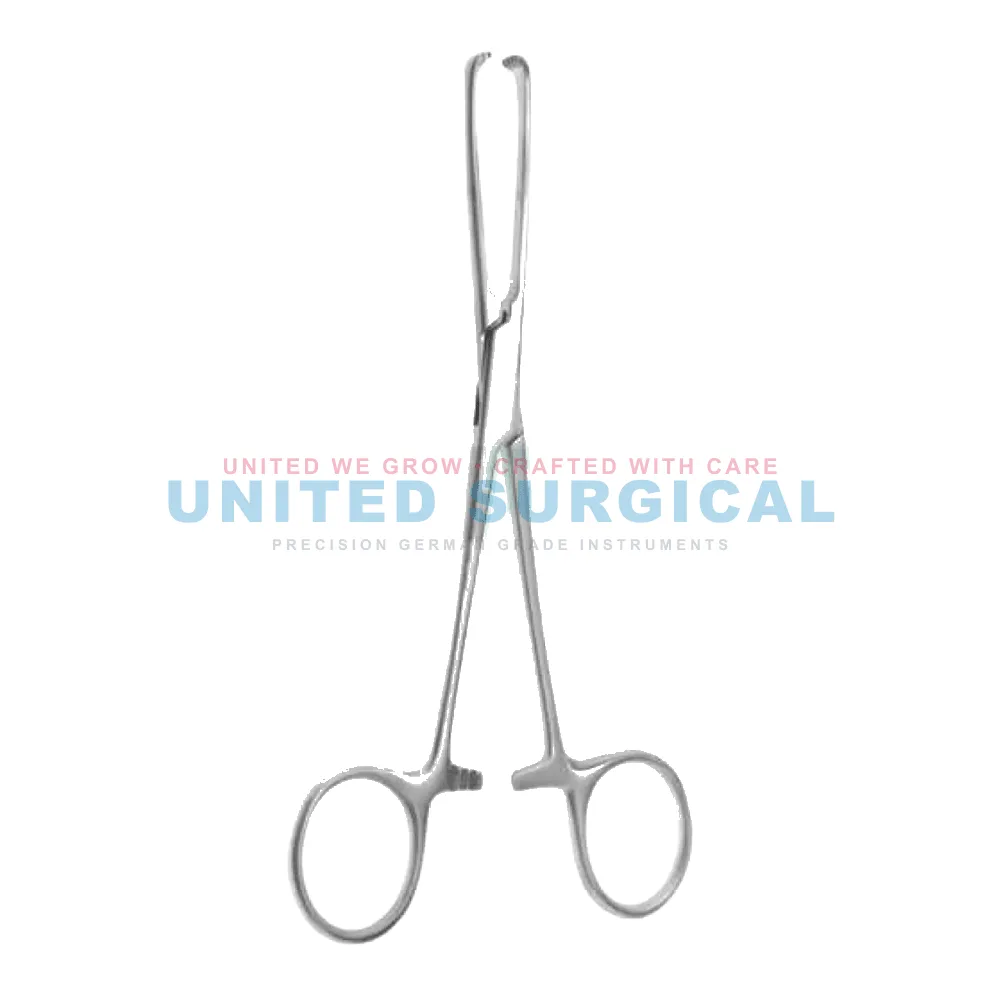
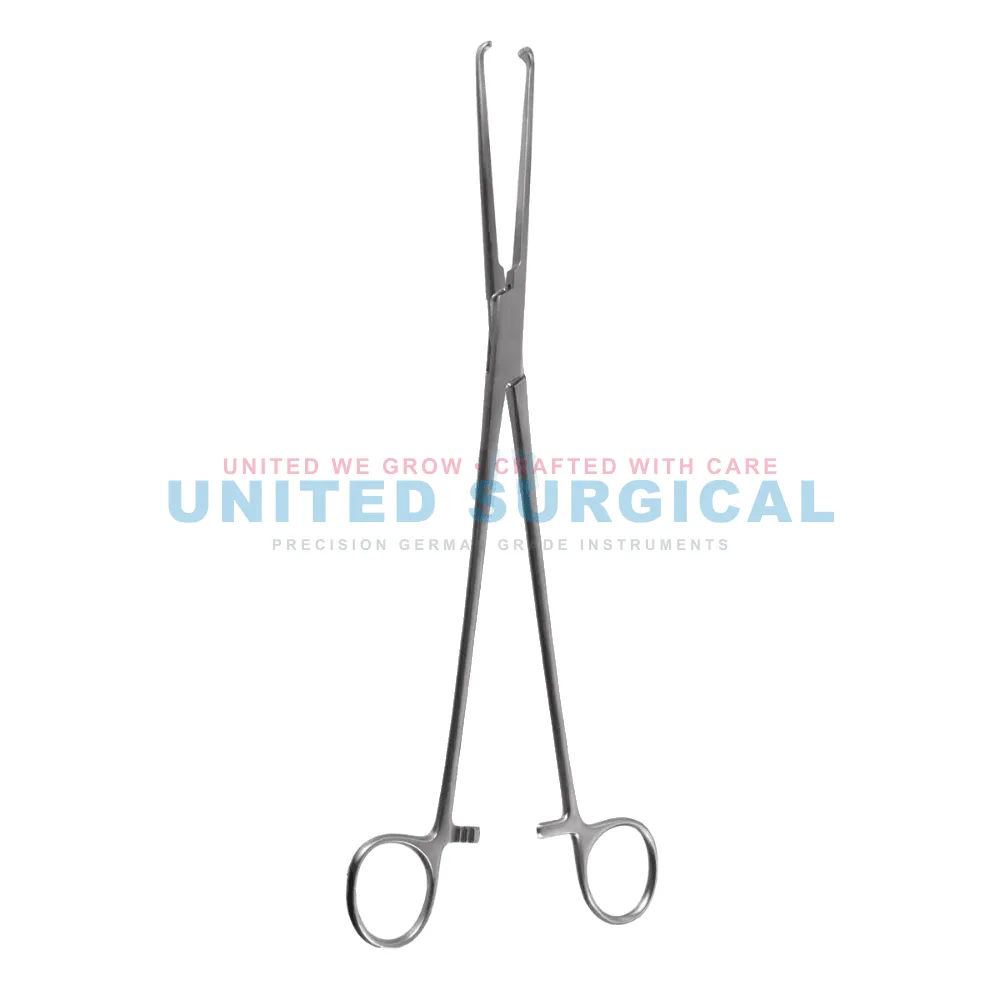
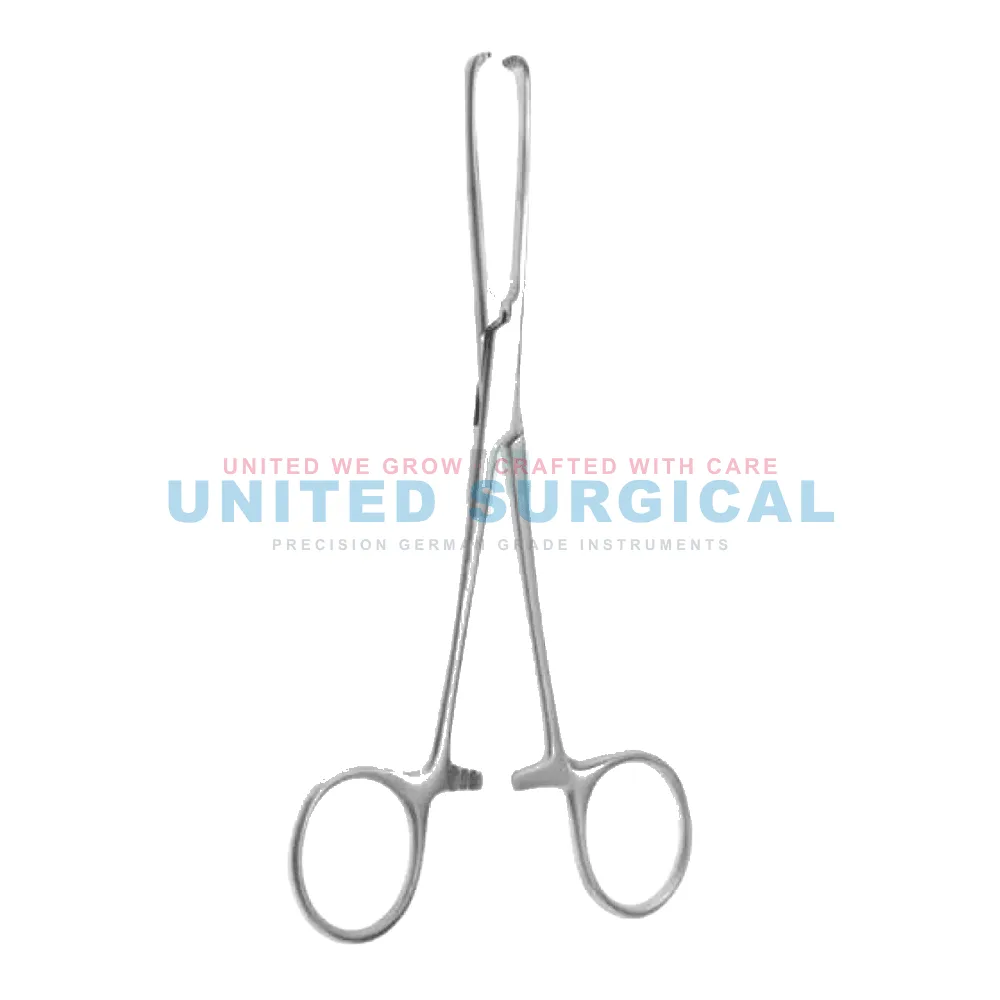
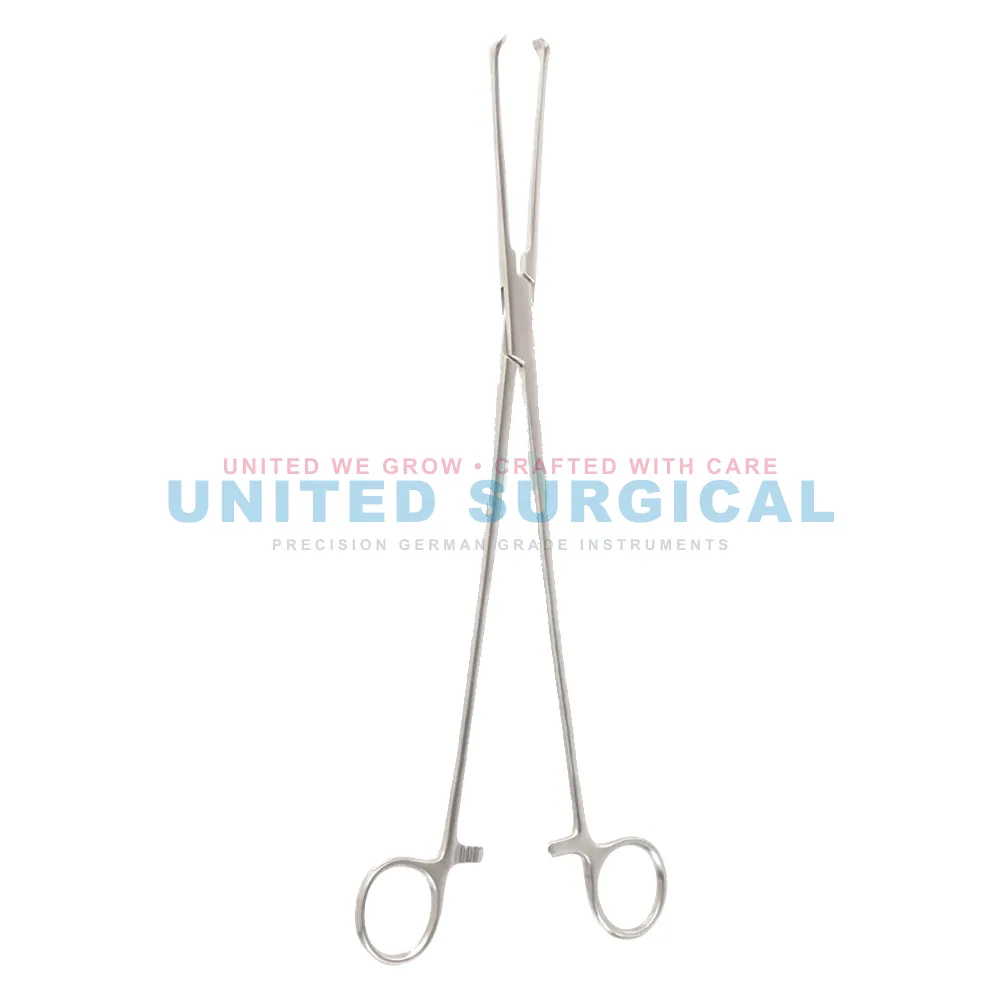
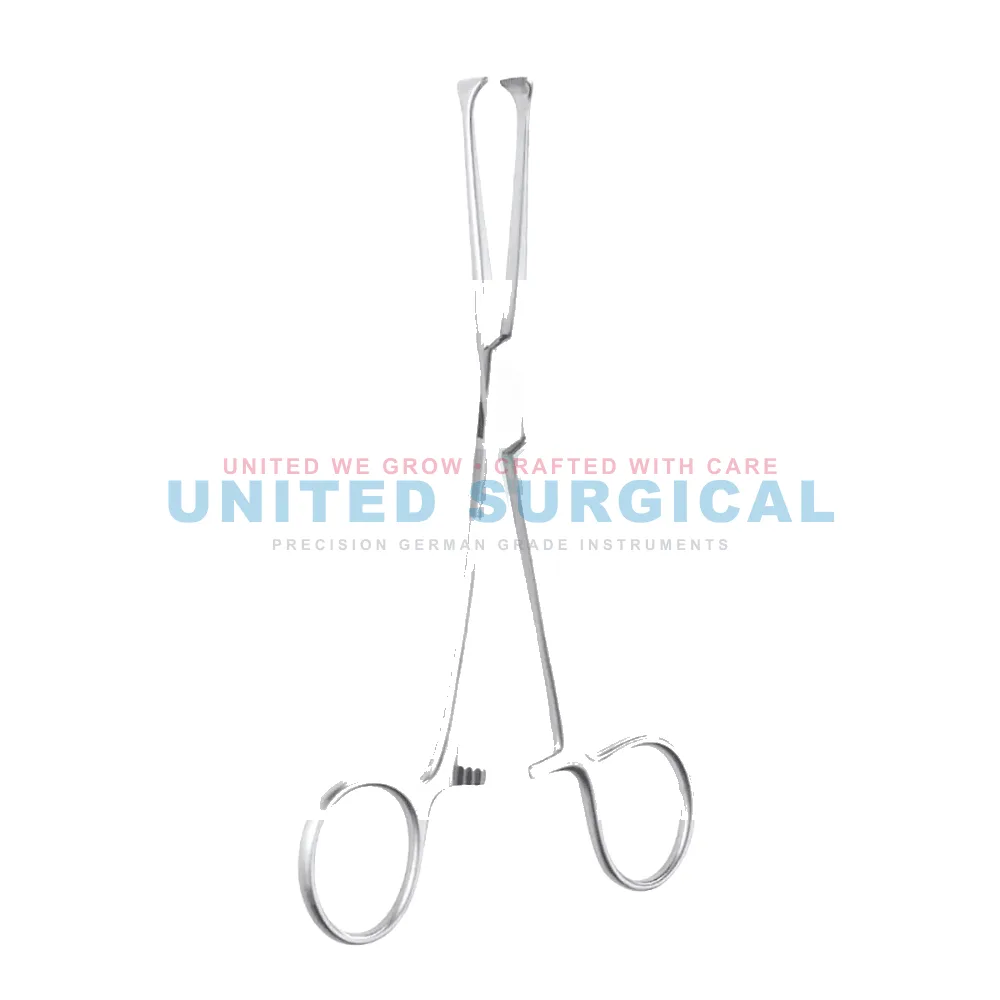
Allis forceps hold tissue firmly, so they are chosen for tissue that will be removed or that can tolerate a strong grip. For delicate tissue such as bowel, surgeons usually prefer a Babcock or an atraumatic Allis. When choosing, look at:
Most general surgery sets carry several 6″ and 7½″ Allis forceps.
| Length | Approx. cm | Typical use |
|---|---|---|
| 6″ (incl. Baby Allis) | 15 cm | Superficial tissue, breast; Baby Allis for delicate and paediatric work |
| 7½″ – 8″ | 19 – 20 cm | Abdominal surgery, fascia |
| 9½″ – 10″ | 24 – 25 cm | Deep abdominal and gynaecological surgery |
| 11¼″ – 12″ | 29 – 30 cm | Deep pelvic and vaginal surgery |
Typical selections. Teeth count and pattern matter as much as length.
They grasp and hold firm tissue such as fascia, skin edges and tissue that will be removed, in general, abdominal, gynaecological and breast surgery.
Allis forceps have interlocking teeth for a firm grip. Babcock forceps have smooth, rounded jaws that are gentler, so they are preferred for delicate tissue like bowel and fallopian tubes.
It is the number of teeth on each jaw. Fewer, larger teeth grip harder. More, finer teeth spread the pressure and mark the tissue less.
It is a variation with wider jaws and many fine teeth, often 9x10. It holds tissue securely with less trauma than a standard Allis.
Standard Allis forceps can damage delicate tissue, which is why they are mainly used on firm tissue or tissue being removed. Atraumatic Allis and Babcock forceps are gentler options.
Yes. We supply Allis grasping inserts and full modular systems in 5 mm and 10 mm sheath diameters.
Custom dimensions, ceramic coatings, hospital tender contracts, and sterilization tray sets manufactured to ASTM F899 standards.
Direct wholesale export quotes delivered to your email within 24 hours.